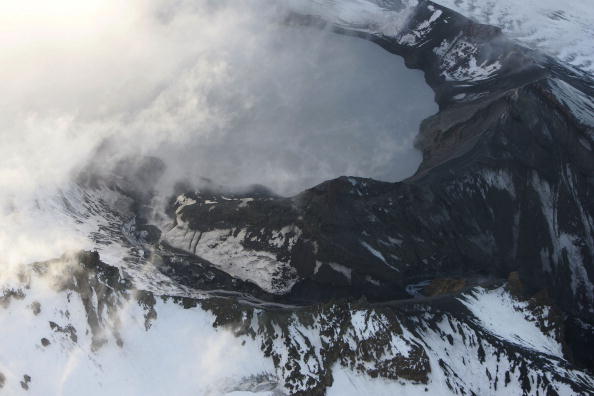

Mt. Ruapehu’s famous crater lake has cooled to a record low temperature of 6.83°C, the coldest reading in over 70 years of monitoring.
Scientists believe the hydrothermal system beneath the lake is partly sealed, but an eruption is still considered unlikely. The lake’s temperature drop follows a year of unrest at the 2,800-meter volcano in New Zealand.
This temperature is much lower than the 31°C peak recorded earlier this year. Experts explain that the decrease is due to less heat from below and the addition of cold water from snowstorms. Although volcanic gases, like sulphur dioxide, have also decreased, scientists don’t think the system is completely blocked.
In the past, blockages have led to eruptions in 1981, 1988, and 2007. However, most times, the lake simply heats up again without an eruption. For now, Mt. Ruapehu shows no major signs of erupting, such as increased volcanic tremors or gas emissions. Therefore, its Volcanic Alert Level remains at 1, indicating minor unrest.

 SMART Prep | Quick Question